
Catering Delivery Windows Guide for London Offices
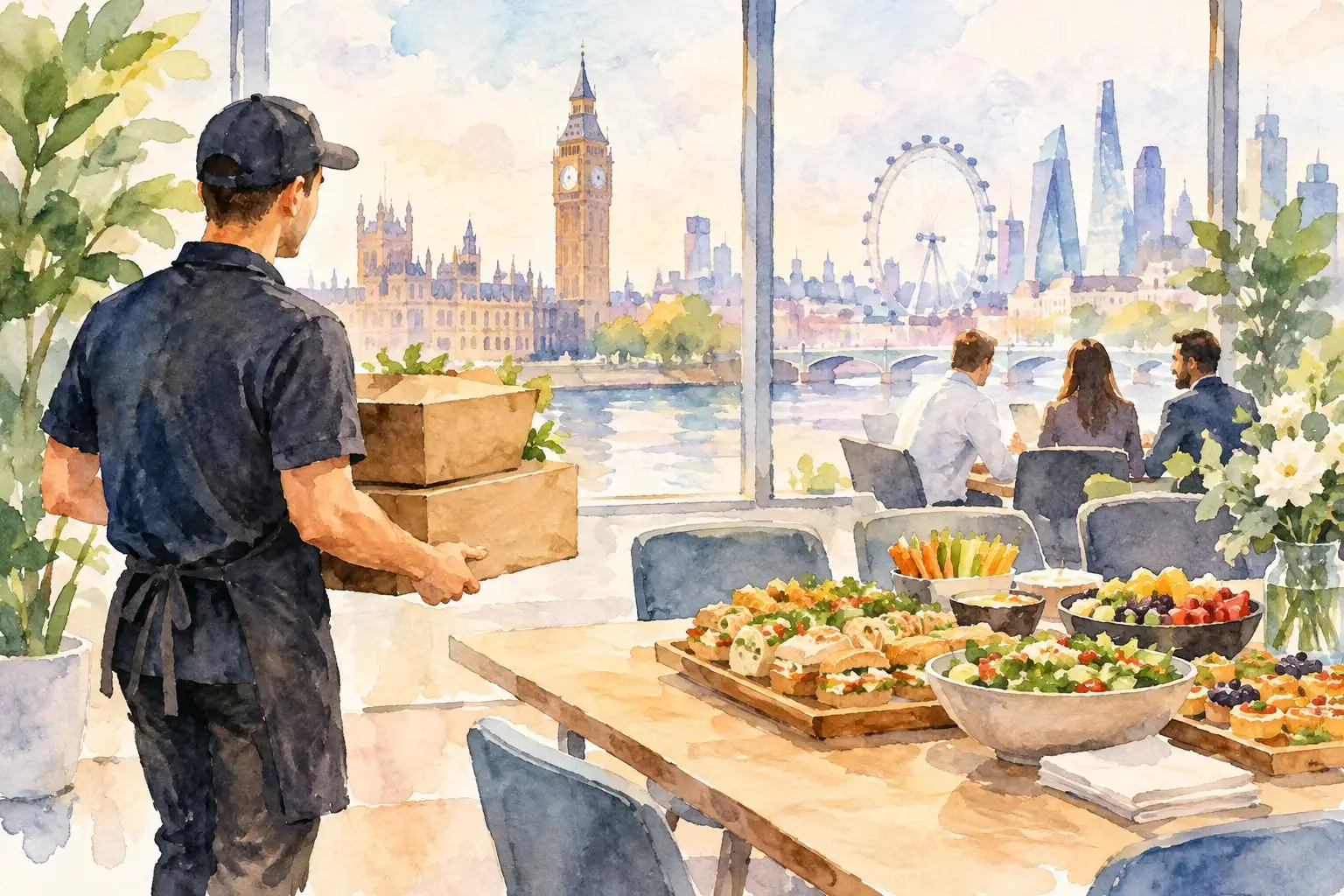
A 12.30 lunch delivery sounds straightforward until reception is handling visitors, the lift is busy, a meeting has overrun and 40 hungry people are gathering at once. This catering delivery windows guide is designed to help London office teams choose a timing that protects both the food and the occasion. Great catering should arrive on time, taste great and feel easy to serve - not create another moving part for an already busy day.
Why delivery windows matter more than a delivery time
A delivery window is the agreed period in which your order will arrive, rather than one overly precise minute. It reflects the reality of London logistics: traffic, loading restrictions, building access and the care needed to transport food properly. For organisers, it also gives a practical timeframe to arrange someone to receive the order and prepare the space.
That flexibility does not mean vagueness. A well-managed catering delivery window should give your workplace confidence about when food will be on site, while allowing the delivery team to account for conditions outside anyone's control. The best window is one that works backwards from when people need to eat, not simply from when the meeting begins.
For a client breakfast at 9.00, for example, food may need to be laid out by 8.40, with coffee stations ready before guests arrive. For a 13.00 team lunch, a 12.15 to 12.45 window may be more useful than an arrival at 13.00, when everyone is already waiting. The aim is calm set-up, fresh food and no frantic call to reception.
Start with the serving time, then plan backwards
The question to ask is not, “What time can the food arrive?” It is, “What time does the food need to be ready for people?” Once that is clear, build in enough time for the order to be received, checked, moved to the right floor and presented.
For smaller boxed lunches, 15 to 20 minutes may be plenty. For a buffet, sharing platters or an event with multiple food stations, allow 30 to 45 minutes. Larger events can need longer still, particularly if the order includes hot dishes, serving equipment, labelled dietary meals or a room layout that needs attention.
Early delivery has its own trade-off. Some dishes hold well for a short period; others are at their best when served promptly. Crispy items can soften, hot food may need careful holding and chilled dishes need a suitable place to wait. Your caterer should advise on the food format, but the organiser knows the office environment best. If there is no fridge space, a busy reception or a meeting room that will not be free until the last minute, a tighter window may be the sensible choice.
Match the window to the type of workplace occasion
Not every office meal needs the same delivery plan. A recurring Tuesday lunch for a familiar team is different from a board meeting, a company celebration or a client event where timings cannot slip.
Everyday team lunches
For regular lunches, choose a window that gives the organiser a little breathing room without leaving food waiting around for too long. A 30-minute window before the intended lunch break often works well, especially where reception and the office kitchen are close together.
If colleagues eat in shifts or work across several floors, consider whether a slightly wider serving period will reduce pressure. Sharing platters and buffet-style lunches can suit this pattern, while individually labelled meals are useful where dietary needs are varied or people need to take lunch back to their desks.
Breakfast meetings
Breakfast tends to have the least room for delay. People often arrive moments before a meeting begins, and food needs to look inviting from the first coffee poured. Ask for delivery early enough to set out pastries, fruit, savoury breakfast items and drinks before attendees enter the room.
Check when your building opens, too. A perfect 8.00 delivery window is not useful if the delivery partner cannot access reception until 8.30. If early access is restricted, arrange a named contact who can receive the order or choose a later meeting start where possible.
Client meetings and leadership sessions
For high-stakes meetings, schedule the delivery before the room is occupied. A window ending at least 30 minutes before guests arrive gives time to check presentation, confirm that dietary meals are present and remove outer packaging.
This is also where clear labelling matters. A guest should not have to ask which sandwich is vegan, whether a salad contains nuts or which dish is gluten-free. Good planning makes the food feel thoughtful rather than transactional.
Events, launches and celebrations
Events need a more detailed delivery conversation. There may be several delivery points, staged serving times, room changes or a requirement for food to remain covered until a particular moment. It is better to agree these details in advance than assume a single arrival will solve everything.
For larger occasions, make sure the caterer knows the expected guest count, set-up time, access route, loading arrangements and whether someone will be available to sign in the delivery team. Bespoke event catering is not just about the menu. It is about getting restaurant-standard food into the room at the right moment.
Give your caterer the access details they actually need
The difference between a smooth delivery and a late one is often not the road outside. It is the last 100 metres inside the building. London offices can have security desks, booking systems, goods lifts, pedestrianised streets and strict loading bays.
Include the full address, postcode, company name, floor and the best entrance. Add the name and mobile number of the person receiving the order, plus a second contact if the first person is in a meeting. If couriers need to book in, show ID, use a service lift or enter through a rear entrance, say so when ordering.
It also helps to tell reception that food is coming. A quick note can prevent a delivery waiting outside while the organiser wonders where lunch is. If the order is large, reserve a clear route from reception to the serving area and make sure doors can be opened without juggling stacks of boxes.
Choose a window that leaves room for the unexpected
A narrow delivery window can be useful for fresh, time-sensitive food, but it should not depend on everything going perfectly. Central London traffic, roadworks, demonstrations and heavy rain can change a journey quickly. The right amount of contingency depends on the occasion.
For a casual team lunch, a 30-minute range is often practical. For a presentation beginning at a fixed time, build your internal set-up time before the event, rather than demanding an unrealistic last-minute arrival. Food arriving at 11.45 for a noon client meeting is far less risky than asking for 11.58 and hoping the lift is free.
This is where a reliable catering partner earns its place. Defined delivery windows, proactive communication and a team that understands workplace access reduce the need for chasing. At &Dine, that operational care sits alongside food made by independent Makers, not soulless kitchens - so reliability does not mean settling for a generic menu.
Keep food quality in the plan
Timing and menu choices should work together. If an order must arrive well before serving, choose dishes that travel and hold their quality well. Grain salads, substantial seasonal platters, wrapped sandwiches and carefully packed boxed meals can be a strong fit. Hot food can work brilliantly too, but it needs the right timing, packaging and serving plan.
Be honest about the facilities available. Is there fridge space for chilled items? Can serving dishes be kept warm? Is there a clean table large enough for a buffet? Will someone be there to unpack and display the food? These are small practical details, but they shape how the meal feels when colleagues sit down.
For recurring catering, use what you learn. If the team always starts eating later than expected, adjust the window. If certain dishes disappear first, use that insight for the next menu. Good workplace food becomes more personal over time: shaped around real routines, real appetites and real dietary requirements.
A simple way to brief the order
When placing a catering order, provide the serving time first, then the preferred delivery window and access instructions. Confirm the receiving contact, the delivery point and whether the food needs any set-up before it is served. Mention allergies and dietary requirements early, not as a last-minute add-on.
For anything client-facing or larger than a standard team lunch, share the agenda. Knowing that coffee is served at 10.00, lunch is at 12.45 and afternoon refreshments are at 15.30 helps a catering team recommend a plan that keeps food fresh and the day running smoothly.
The right delivery window is not a logistical footnote. It is the quiet preparation behind a table that looks generous, a meeting that starts calmly and colleagues who get to enjoy food worth gathering for.