
Plated Catering for Client Dinners That Impresses
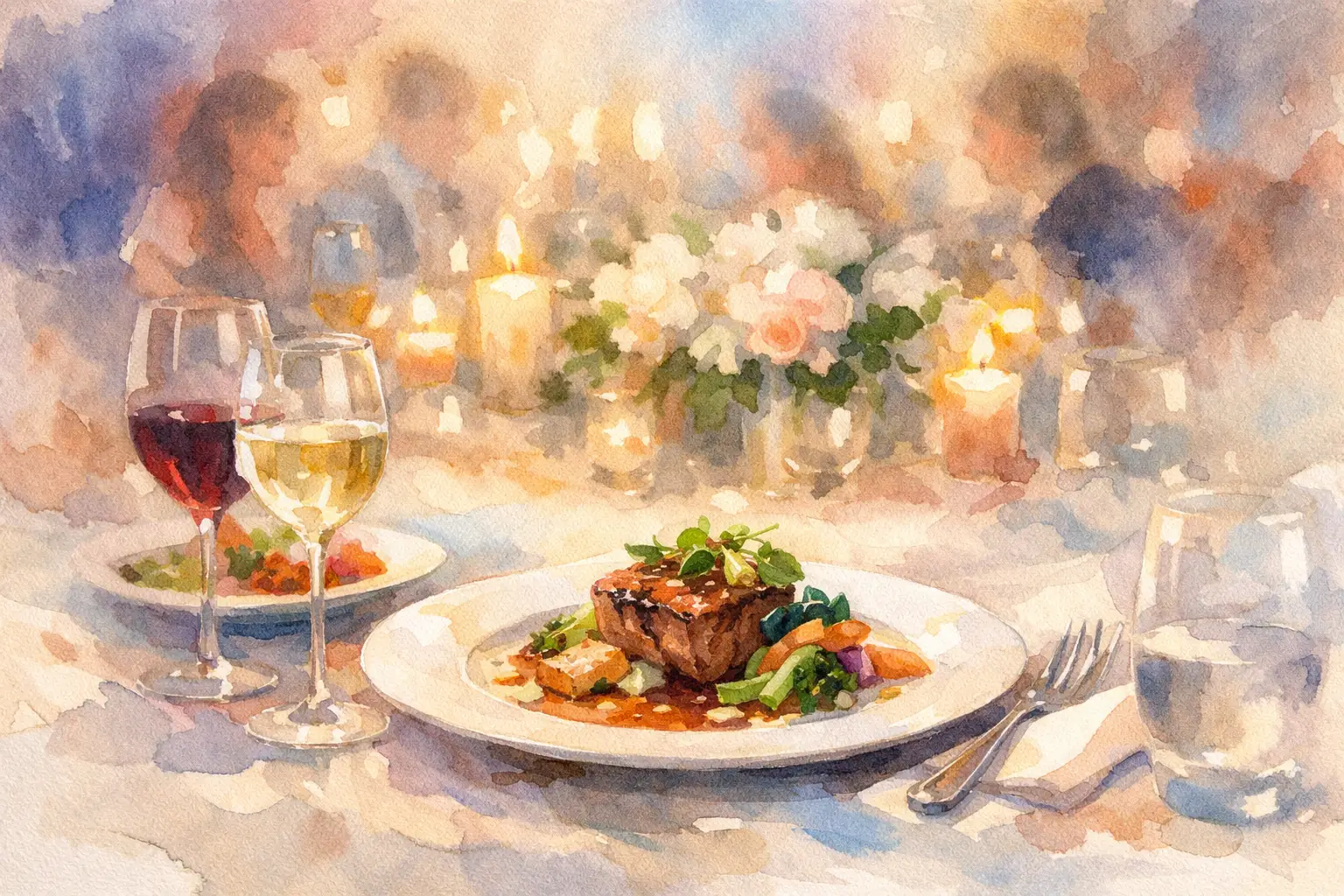
A client dinner has a different job to do from a team lunch. It needs to put guests at ease, give conversation room to breathe and reflect well on the people hosting it. Plated catering for client dinners creates that considered atmosphere, pairing restaurant-standard food with the timing, dietary planning and delivery certainty a professional occasion demands.
The best client dinners do not feel like a sales pitch with cutlery. They feel generous, well organised and genuinely enjoyable. Food is not the whole story, but it is one of the clearest signals that you have thought about your guests' experience.
Why plated service suits client dinners
A plated meal brings structure without making an evening feel stiff. Each course arrives as intended, at the right temperature and in a portion designed by the Maker. There is no queue forming around a buffet table, no uncertainty about whether the last guest will get the same choice as the first, and less interruption once everyone is seated.
That matters when the guest list includes senior stakeholders, prospective partners or clients you want to thank. A shared table is often where relationships move beyond the agenda. Plated service gives the room a natural rhythm: welcome drinks, a first course, a pause for conversation, then the main event. Your guests can focus on one another rather than navigating the catering.
It also makes the occasion feel more intentional. A bright seasonal starter, a beautifully finished main and a dessert worth lingering over can turn a meeting room, private dining space or office terrace into somewhere people are pleased to spend an evening. No generic menus or bland food, just dishes with a point of view.
Choosing plated catering for client dinners
Start with the purpose of the dinner, not simply the number of covers. A small meal for six new clients calls for a different approach from a 40-person leadership dinner after a conference. Think about what you need the evening to achieve: a relaxed introduction, a thank-you, a project milestone or a chance to bring two teams together.
For an intimate dinner, a more expressive menu can work brilliantly. Consider hand-rolled pasta, a refined modern British main or colourful Middle Eastern-inspired plates, followed by a dessert with a little theatre. For a larger group, the menu should still feel special, but operationally it needs to travel, plate and serve consistently. This is where an experienced corporate catering partner earns its place.
The venue shapes the answer too. If you have a proper kitchen and service team on site, you may have more flexibility around finishing dishes and course timings. In an office with limited facilities, choose food that holds well and can be presented beautifully without relying on last-minute cooking. The right menu is not always the most complicated one. It is the one that arrives on time, tastes great and suits the setting.
Build the menu around guest confidence
Clients should never have to wonder whether there will be something they can eat. Gather dietary requirements early, ideally when invitations go out, and confirm them again before the final order. Vegetarian, vegan, halal, gluten-free and allergen-aware choices should be planned as appealing dishes in their own right, not a late substitute.
A well-designed menu gives everyone a clear, equally inviting route through the meal. That might mean a roasted aubergine main with tahini, herbs and grains alongside a carefully sourced meat option, rather than a token side salad for plant-based guests. Clear dish labels and an organised seating plan help service run calmly, particularly where allergies are involved.
It is worth asking guests about preferences, too. A client dinner is not the moment to assume everyone will enjoy a very spicy menu, a particularly rich dish or an unfamiliar format. There is room for character and cultural variety, but the food should invite people in.
The details that make service feel effortless
Great food can lose its impact if the operational basics are fuzzy. Before confirming a plated dinner, establish the guest count deadline, arrival window, access arrangements, table layout and whether plates, cutlery, glassware, staff and clearing are included. These are not minor details. They determine whether the evening feels composed or rushed.
A useful rule is to allow more time than you think for guests to arrive and settle. If dinner is due to begin at 7pm, do not plan for the first plate to land at 7.02pm. Build in time for coats, introductions and the inevitable late-running meeting. A drinks and canapés reception can be helpful, but only if it supports the flow of the evening rather than filling guests up before the main meal.
For most client dinners, two or three courses are enough. A starter gives the table an easy opening, while a main course provides the centre of the occasion. Dessert can be the right finishing touch when the dinner is celebratory or relationship-led. If time is tight, choose one standout main and finish with excellent coffee, tea and something small and sweet.
Service style depends on the event. Full plated service is ideal for formal hosted dinners and larger seated occasions. For a less formal setting, individually plated mains followed by sharing desserts can create a warmer, more sociable finish. It depends on the room, the guest mix and whether you want the evening to feel polished, relaxed or somewhere in between.
Make the food part of the experience
The most memorable corporate catering has a human story behind it. Independent food Makers bring regional traditions, specialist techniques and genuine care to the table. That can mean slow-cooked dishes built around family recipes, seasonal British produce handled simply, or vibrant flavours that make an ordinary office dining room feel far from ordinary.
This is not about choosing food for novelty alone. It is about giving guests something worth talking about. A menu with a clear identity creates an opening for conversation without distracting from the reason everyone is there. The food should feel considered, generous and confidently made.
Presentation matters here, but restraint matters too. Plates should look inviting rather than overworked, and portions should satisfy without leaving guests too full for the conversation that follows. A good caterer will guide you on dishes that travel well, suit the season and can be delivered with consistent quality across every cover.
At &Dine, that means connecting workplaces with independent, vetted kitchens while keeping the practical side straightforward: fixed pricing, defined delivery windows and support that does not leave an organiser chasing multiple suppliers. You get food with personality, not food from soulless kitchens, alongside the reliability a client-facing event requires.
Budget for the whole dinner, not just the menu
A plated dinner can appear more expensive than a buffet at first glance, but it is worth comparing like for like. A buffet may require extra quantities, more table space, additional serving equipment and a longer period of guest movement. Plated catering offers controlled portions and a more predictable guest experience.
When setting a budget, account for food, drinks, staffing, equipment, delivery, serviceware and any venue charges. It is also sensible to have a small contingency for last-minute guest changes. Clear pricing before the event protects both your budget and your time.
There are practical ways to keep costs balanced without compromising the experience. Choose seasonal ingredients, limit the number of menu choices and avoid a long list of add-ons. Put the spend where guests will notice it most: a memorable main course, thoughtful dietary options and service that runs to plan.
A final check before guests arrive
The best hosts are present in the room, not managing deliveries from the corridor. Confirm the final numbers, dietary notes, delivery contact and setup plan the day before. On the evening, make sure someone knows where catering can be received and who has authority to make quick decisions if timings shift.
Then let the dinner do its work. When every guest has a considered plate in front of them, the logistics fade into the background and the conversation takes over - exactly where it should be.