
12 Best Foods for Office Meetings That Work
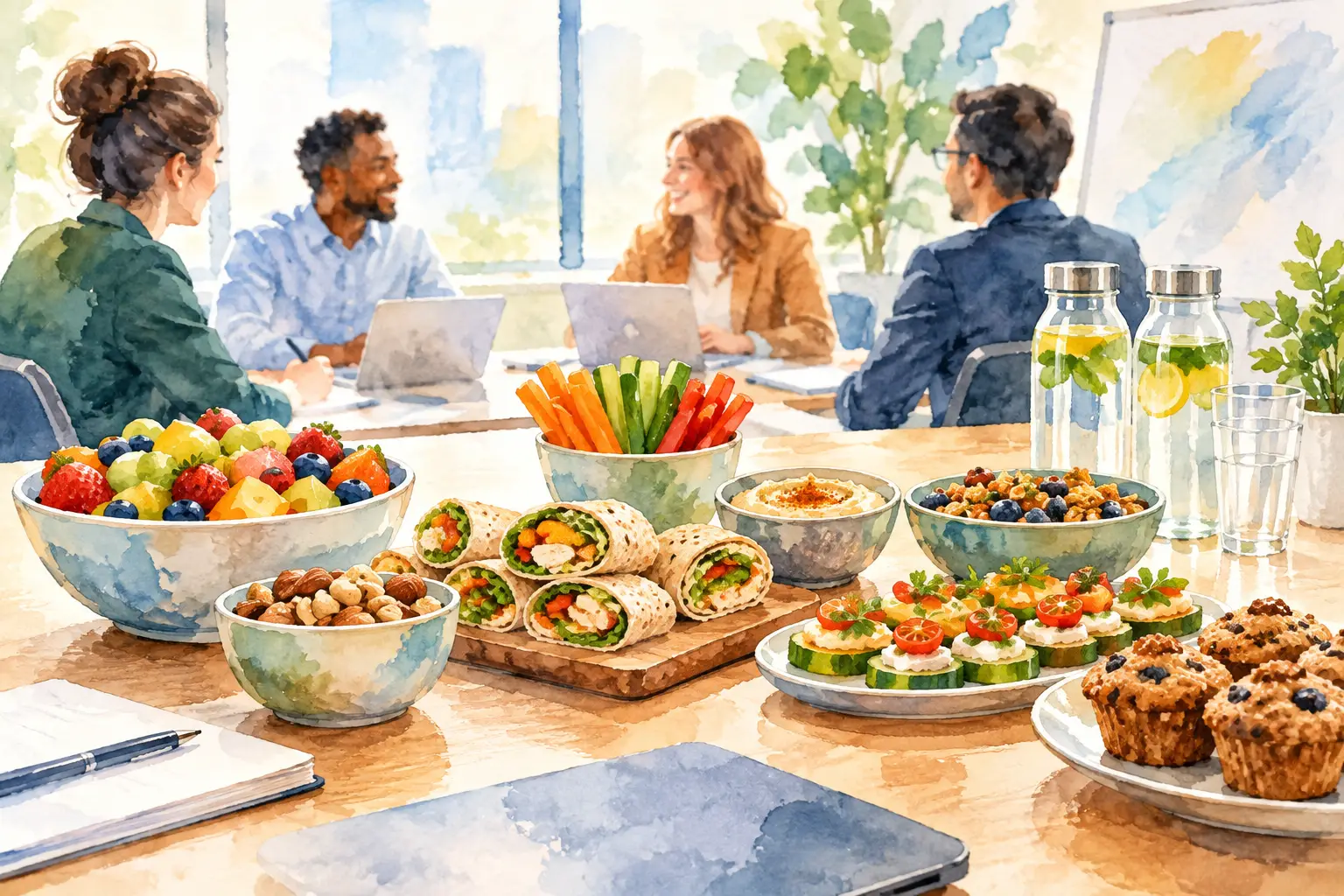
A meeting can lose momentum surprisingly quickly when coffee arrives late, lunch is awkward to eat or half the room cannot touch the only option on the table. The best foods for office meetings do more than fill a gap in the diary. They make people feel considered, keep the conversation moving and give clients or colleagues a better reason to stay in the room.
That does not mean ordering the most elaborate menu available. Great meeting food is practical as well as delicious: easy to serve, simple to eat while talking, inclusive of different diets and timed around the purpose of the session. A strategy workshop needs different food from a board breakfast, and a client presentation calls for a little more polish than a regular team catch-up.
What makes food work in an office meeting?
Start with the format, not the cuisine. If attendees will be standing, choose hand-held food that does not require a balancing act. If they are working through a presentation, avoid dishes that need cutting, assembling or navigating with a fork in one hand and a laptop in the other. For longer sessions, build in variety so people do not hit the 3pm slump after a heavy meal.
The best choices also travel well and arrive looking as good as they taste. Fresh salads, warm bowls, quality sandwiches and carefully made pastries can all work brilliantly, provided they are packed and delivered for the occasion. This is where independent Makers often bring something better than the standard corporate spread: proper flavour, recognisable ingredients and menus that do not feel as though they came from a soulless kitchen.
Dietary planning is part of good hospitality, not an afterthought. Ask for requirements before confirming the order, then make sure vegan, vegetarian, halal, gluten-free and allergen-aware options are clearly labelled and just as appealing as everything else. One sad side salad for everyone with a dietary requirement is not inclusive catering.
The best foods for office meetings, by occasion
1. Breakfast pastries with savoury balance
For an early briefing, well-made pastries bring immediate energy to the table. Croissants, pain au chocolat and cinnamon buns are popular for a reason, but they work best alongside savoury choices such as filled breakfast rolls, egg muffins or pastries with spinach and feta. The mix gives people a choice beyond sugar and avoids a mid-morning dip.
Add fruit, yoghurt pots and good coffee for a breakfast that feels generous without becoming a full sit-down meal. This is a strong option for short leadership meetings, training mornings and candidate interviews.
2. Fresh fruit and yoghurt pots
Fruit pots and yoghurt are not the headline act, but they are often the first items to disappear. They give lighter eaters a real option and provide a refreshing counterpoint to baked goods. Choose seasonal fruit where possible, and consider granola served separately to keep it crisp.
They are particularly useful when the meeting starts at 9am or later, when some people will already have eaten and others will be ready for something more substantial.
3. Filled bagels and breakfast rolls
A bagel or breakfast roll turns a morning meeting into something more sustaining. Smoked salmon and cream cheese, egg and avocado, or roasted vegetables with hummus feel considered without being overly formal. For a more traditional choice, a quality bacon or sausage roll can work well, but always offer a vegetarian equivalent with equal attention.
Keep fillings contained and avoid overstuffing. The aim is satisfying food, not a shirt-changing incident before the first agenda item.
4. Premium sandwich platters
Sandwiches remain one of the most reliable foods for a working lunch because they are familiar, shareable and easy to eat. The difference lies in the bread, fillings and variety. Think focaccia with grilled vegetables and pesto, chicken with herb mayonnaise, smoked salmon, or a well-seasoned plant-based filling rather than identical triangles with vague contents.
A good platter includes clearly distinct options and enough vegetarian choice to avoid everyone reaching for the same one. This is a dependable format for internal meetings with tight agendas, especially when lunch needs to be eaten between discussion points.
5. Wraps, pitas and flatbreads
When sandwiches feel too predictable, wraps, pitas and flatbreads bring more range without adding cutlery. Falafel with tahini, grilled chicken with salad, halloumi with roasted peppers and spiced vegetable fillings are all meeting-friendly choices.
These work especially well for creative workshops, agency sessions and informal team days. The trade-off is that sauces need managing. Ask for tightly wrapped portions and avoid fillings that are likely to leak onto laptops or presentation notes.
6. Seasonal salads with substance
A bowl of leaves is rarely enough for a meeting lunch. Salads earn their place when they have texture, protein and enough substance to keep people focused: roasted squash with grains and feta, chicken with herbs and crunchy vegetables, or lentils with charred broccoli and a bright dressing.
Offer a couple of salads alongside more familiar carb-led options rather than presenting them as the only healthy choice. People have different appetites, and a balanced spread lets everyone build a lunch that suits them.
7. Individual grain bowls
For longer workshops and lunch-and-learns, individual bowls offer a neater alternative to a buffet. Rice, grains or noodles paired with roasted vegetables, proteins, herbs and punchy dressings feel fresh, filling and easy to portion.
They are also simpler to adapt around dietary needs. A vegan bowl should be a complete dish in its own right, not the standard bowl with the interesting element removed. Bowls need cutlery, though, so they are best for seated meetings where attendees have a proper place to eat.
8. Mediterranean sharing platters
Sharing platters create an easy, sociable atmosphere. Think hummus, olives, roasted vegetables, breads, falafel, cheeses and dips, with grilled meats or fish where appropriate. They encourage people to pause and connect, which can be useful for relationship-building meetings or a team session after a busy period.
The format is less suitable for a highly formal boardroom meeting or an event with strict hygiene expectations, as not everyone is comfortable sharing from communal platters. In those cases, individual portions offer the same flavours with more certainty.
9. Hot buffet dishes that hold well
For all-day planning sessions, warm food can lift the mood considerably. The key is choosing dishes that retain their quality during service. Fragrant curries, baked pasta, tagines, mezze-style dishes and slow-cooked proteins are usually more dependable than food designed to be eaten seconds from the pan.
Build the buffet around two substantial mains, a plant-based option, sides and clearly labelled dietary alternatives. Avoid making the menu too beige or too rich. A fresh salad, sharp pickle or herb-led side brings welcome contrast.
10. Canapés for client-facing events
When the aim is to welcome, impress or celebrate, canapés strike the right balance between polished and relaxed. They allow people to circulate, hold a drink and continue a conversation without being tied to a table. Choose a mix of warm and cold bites, with vegetarian options that look every bit as considered as the meat or fish choices.
Portion planning matters here. Canapés are ideal before dinner or for a short reception, but they may not be enough for an event scheduled across a meal time. If guests are arriving straight from work, add more substantial bowl food or small plates.
11. Sweet treats with afternoon coffee
A thoughtful afternoon sweet can rescue a meeting that has run long. Brownies, blondies, mini cakes, doughnuts or fruit-led bakes work well with tea and coffee, particularly for town halls, training days and team celebrations.
Keep portions modest and offer a few options. One beautifully made bake is better than a tray of generic biscuits that nobody remembers. If the meeting is client-facing, presentation counts just as much as the flavour.
12. Celebration food that feels personal
Birthdays, project launches, new starters and milestone wins deserve more than a supermarket cake in the kitchen. A colourful cake, dessert selection or sharing spread gives teams a reason to gather and signals that the occasion matters.
For larger offices, it helps to choose food that can be enjoyed in waves rather than requiring everyone to stop at once. Individual desserts or neatly portioned traybakes are practical, while a central cake still gives the moment its sense of occasion.
Plan the order around the meeting, not just the headcount
Headcount is only the starting point. Consider the length of the meeting, time of day, whether people have travelled in, the available space and how food will be served. A two-hour meeting at 11am may need coffee, fruit and a light bite. A four-hour workshop spanning lunch needs enough food to feel like a proper meal, plus an afternoon refresh.
Timing deserves equal attention. Food should arrive early enough to be set out calmly, but not so early that hot dishes cool or pastries lose their freshness. Defined delivery windows and a supplier who can respond when numbers change make a genuine difference to the person organising the day.
At &Dine, that balance comes from bringing together independent Makers and dependable workplace logistics: food with character, fixed pricing and no generic menus or bland food. Whether the order is a recurring office lunch or a one-off client event, the goal stays simple: arriving on time, tasting great and making the host look organised.
The right meeting menu is not about turning every agenda into a banquet. It is about choosing food that suits the people in the room, gives the day a little more energy and leaves them with the sense that their time was well spent.